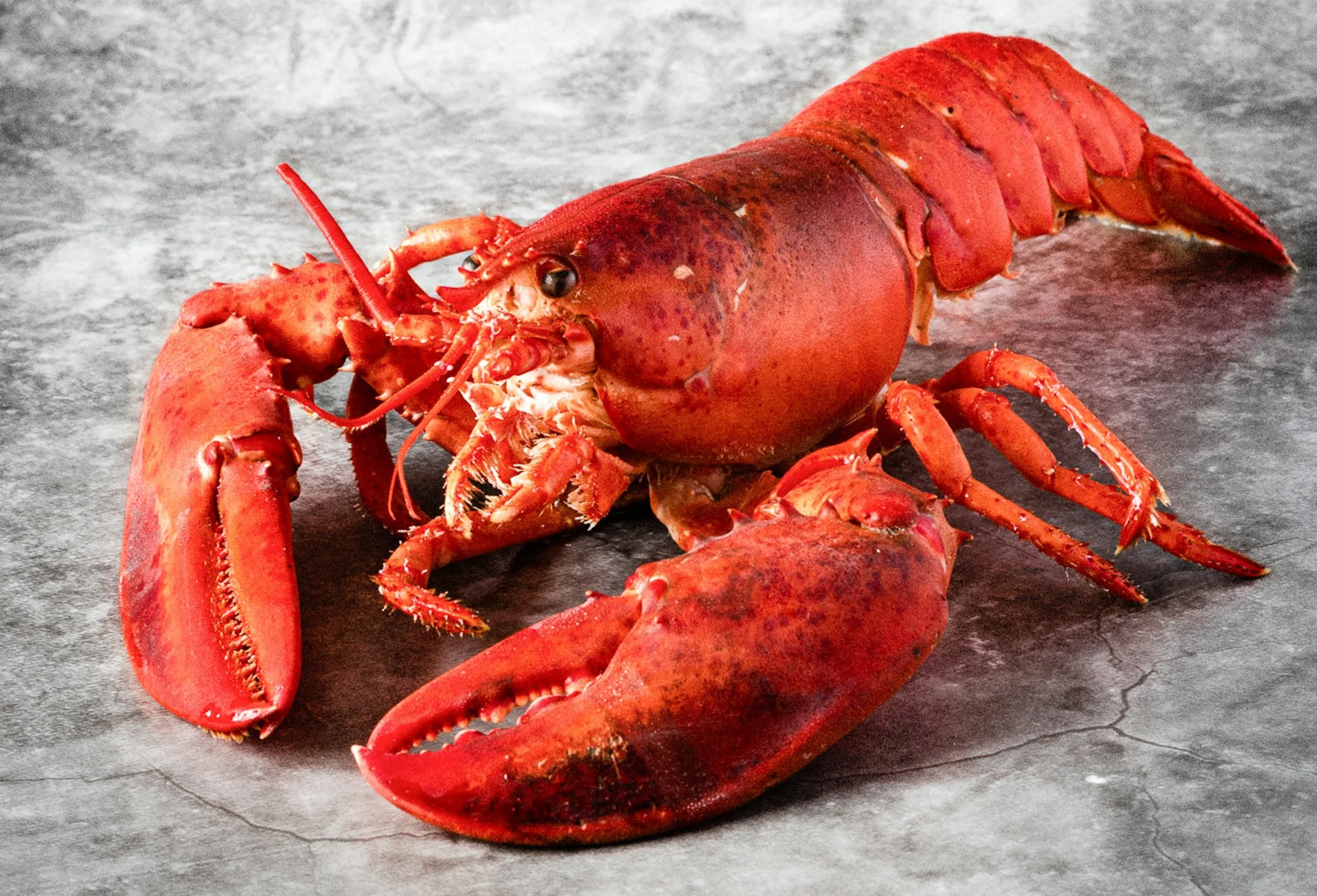
Photo by Monika Borys
Immortality in humans and lobsters
Humans aren't immortal (yet), but lobsters are.
Leonard Hayflick in 1961 discovered a phenomenon which shows that human somatic cells can divide up to 40-60 times before cell division stops. Also, cells have a mechanism to keep track of how many times they've divided. This limit is called the Hayflick Limit.
This discovery disproved the general idea that cells can divide indefinitely by Alexis Carrel. Alexis cultured tissue from an embryonic chicken heart and supplied it with nutrients for 20 years. Although, this experiment could not be replicated successfully and folks believe that it was due to new cells being introduced to the culture, not the cells dividing themselves.
This Hayflick limit exists because of something known as telomeres, a protective region of repetitive nucleotide sequences at the ends of our chromosomes. During cell division, when chromosomes are copied, telomere marks the end of a chromosome to keep them from entanglement and degradation. During the process of DNA replication of a chromosome, small segments of DNA within telomere are unable to be copied and lost.
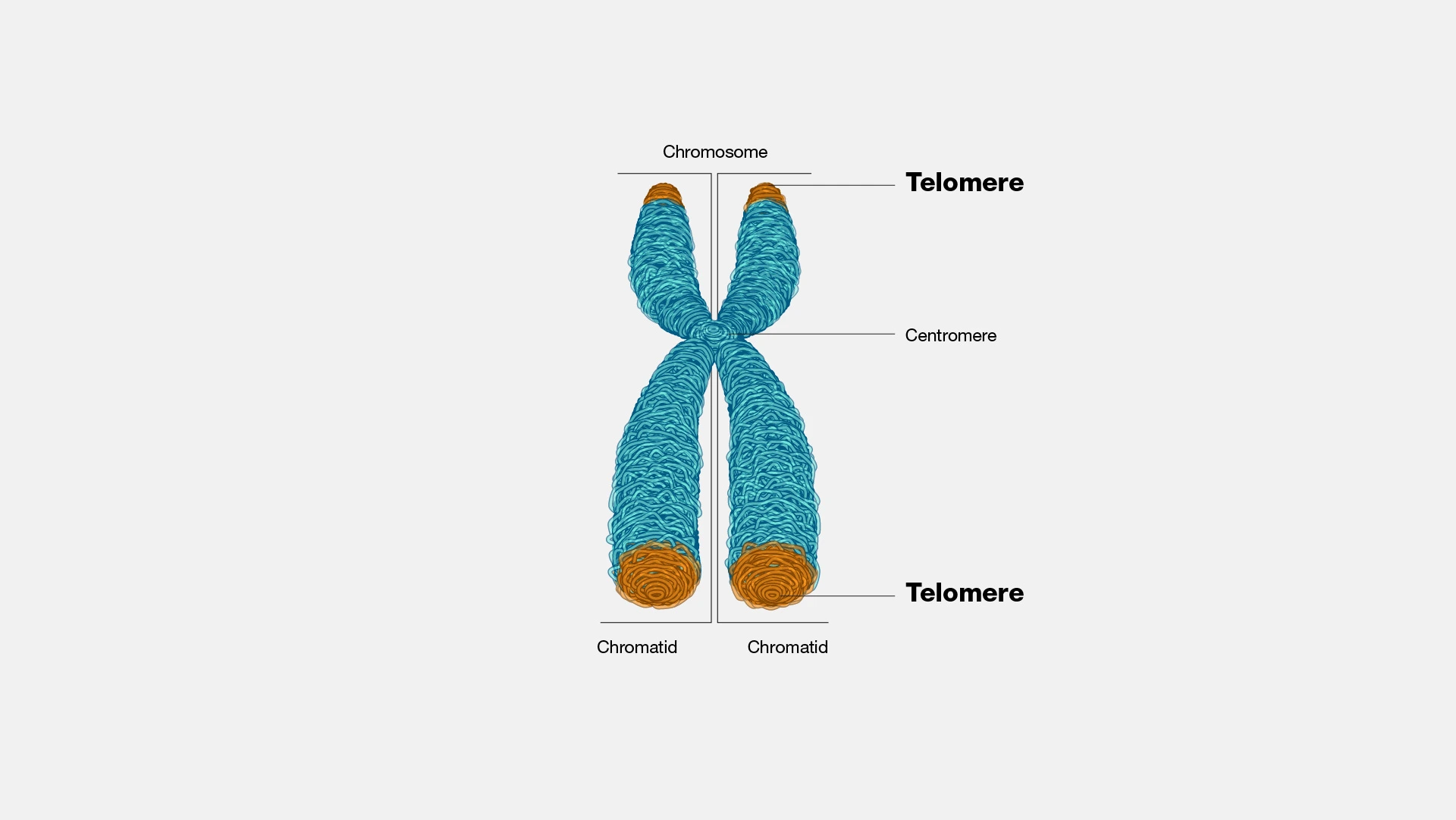
Once telomeres reach a critical length due to this shortening, the cell enters a state called senescence, where it can no longer divide. In case of lobsters, lifespan isn't decided by senescence because of an enzyme called telomerase which has the ability to restore telomere. So they continue to grow.
So why aren't we infested with lobsters? Because they can die to be on my plate or dying out of disease. Also, once in a while they come out of their shell because they outgrow their exoskeleton. But this process becomes metabolically expensive every time and eventually they become so big that they don't have the energy to molt and come outside and die. Imagine a claustrophobic lobster dying like that 😟.
We don't have an exoskeleton, so why don't we have telomerase? Turns out, we do actually, but it is heavily restricted. There's a reason a cell replicating forever and not wanting to die is a hallmark of a cancer cell. It's a good thing that our cells aren't immortal because going beyond the set limit replication increases the chances of accumulating cancerous mutations. This makes sure that potential cancer cells are eliminated before they can cause harm.
Telomerase is inactive in almost all somatic cells, but some cells, particularly stem cells, germ cells, and certainly immune cells can transiently express it. Also, telomerase is not the only factor in achieving immortality, neither humans nor lobsters. It's just that lobsters has a lower probability of dying due to telomere shortening compared to humans. Aging is multifactorial, and telomere shortening is just one of the factors.
There are other kinds of immortalities as well found in nature, but that's a topic for another post. So while lobsters might not truly live forever, and humans are far from advertising truly anti-aging creams, studying these organisms helps us learn about aging, regeneration, and maybe even how to live longer, healthier lives.
Dehydration, pollution, and stress are all factors that can accelerate aging. So eat well, sleep enough, exercise regularly, maybe skip the lobster dinner 🦞, and of course, drink some water.

PS: I know there are plenty of details I didn’t cover, and some of the info here is simplified to make it easier for folks to digest. This was an attempt to provide a simplified overview of the topic.